
Witnessing the Growth of “Blackness in the Diaspora,” One Haircut at a Time
Yeefah seeks to understand “Blackness” wherever it exists, hoping to ignite a sense of wonder and a desire in the viewer to ask deeper questions about our shared heritage.
For nearly 20 years, Yeefah Thurman has been taking a blade and shears to my head, keeping my hairline sharp while the rest of my life frayed and reformed. We have shared stories of the wreckage of relationships; the grind of jobs; the fog of illness; and the weight of death. After nearly two decades of sharing intimate details of our lives, I know Yeefah. And she knows me.
I can feel the energy shift in the room as she focuses on transforming my hair. I can hear it in the snip of the shears. I can see it in the mirror as she adjusts the angle of the cut to make me look, and more importantly feel, like the best version of myself.
Last month, I watched Yeefah adjust the angle again, during a Zoom talk about her exhibition at the Haitian American Museum of Chicago. Yeefah’s exhibition, “Blackness in the Diaspora,” is not a wall of pretty pictures. It is her life-long investigation into how Black people move, survive, and recognize each other across borders. If black art criticism is about reading the world through the Black experience, this exhibit is her case file.
She is taking one of the ugliest “whats” of Black history and declaring it a birthright instead of a curse. That is the charge of black art criticism at its best: not to rescue the work from discomfort, but to sit in the discomfort long enough to see the power inside it. “Blackness in the Diaspora” is not just an exhibit; it is her thesis on how Black people recognize each other, survive together, and build care even when the door keeps slamming shut. If you care about black art criticism that starts from lived experience instead of institutional approval, her art is for you.
Expanding her view: The Impact of “Black Orpheus”
Yeefah’s investigation does not start with an artist’s statement; it starts at home. As she is speaking, archival photos of her father, the first Black brokerage owner on Wall Street, share space on the screen with images from her mother’s heritage school. The display could read like a legacy of Black excellence, footsteps for Yeefah to follow in a world that is not in sync with someone who does not have perfectly feathered hair, a world that never quite looks like her.
The real pivot for Yeefah comes at 10 years old, when she sees “Black Orpheus.” Her lens grew from a New York neighborhood to the world. For her, the Black experience stops being a local, family story and becomes a message from a wider world. That shift is the first thesis of her show: Blackness is not a static point inside the American narrative; it is a global weather system, moving across languages and borders like the wind, sun and rain.
“At age 10,” Yeefah said,” my world expanded. Seeing the film Black Orpheus, a Brazilian adaptation of a Greek tragedy, was a turning point. It exposed me to the interconnectedness of the diaspora. Suddenly, the Black experience was no longer limited to America; it was expansive, vibrant, and global.”
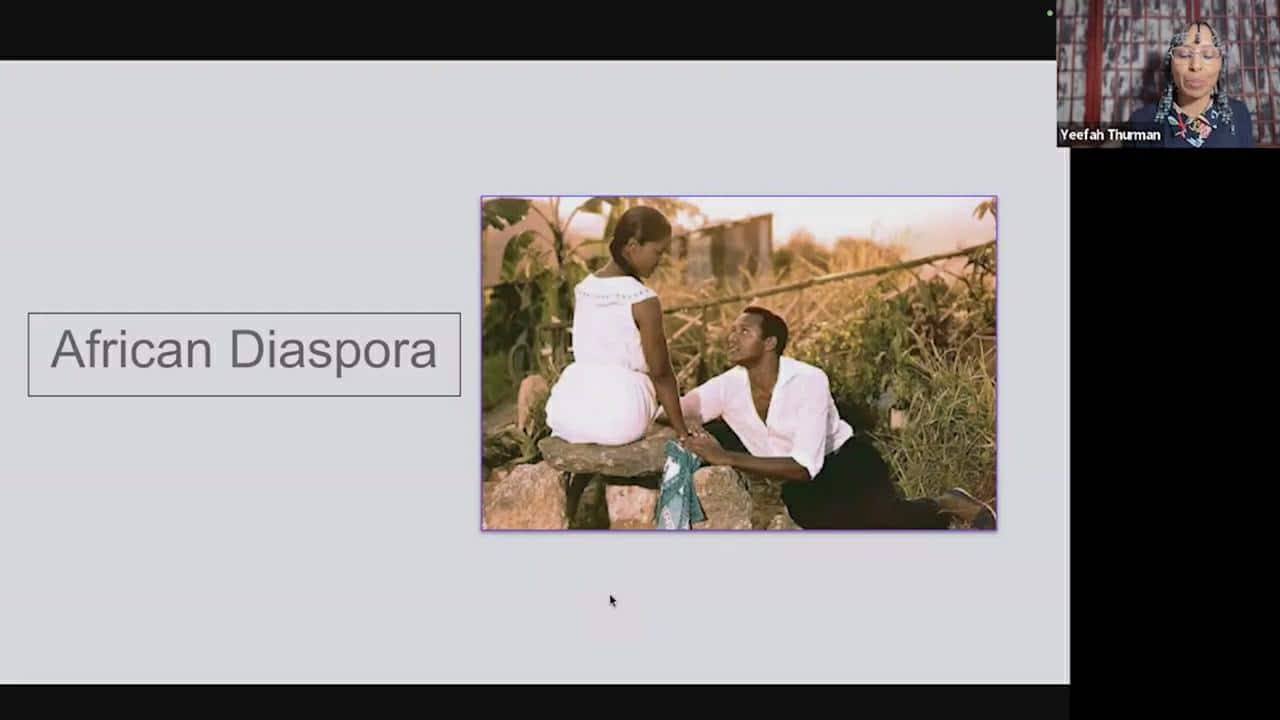
Visual Illustration [00:07:48 – 00:08:16]: “Black Orpheus“ (source: YouTube.com)
The Lens of the Self: Defining Autoethnography
Yeefah said in her talk that the core of her practice is rooted in seeking meaning. Quoting C. Wright Mills, Yeefah said, “The life of an individual cannot be understood without understanding the history of society.” Yeefah seeks to understand “Blackness” wherever it exists, hoping to ignite a sense of wonder and a desire in the viewer to ask deeper questions about our shared heritage.
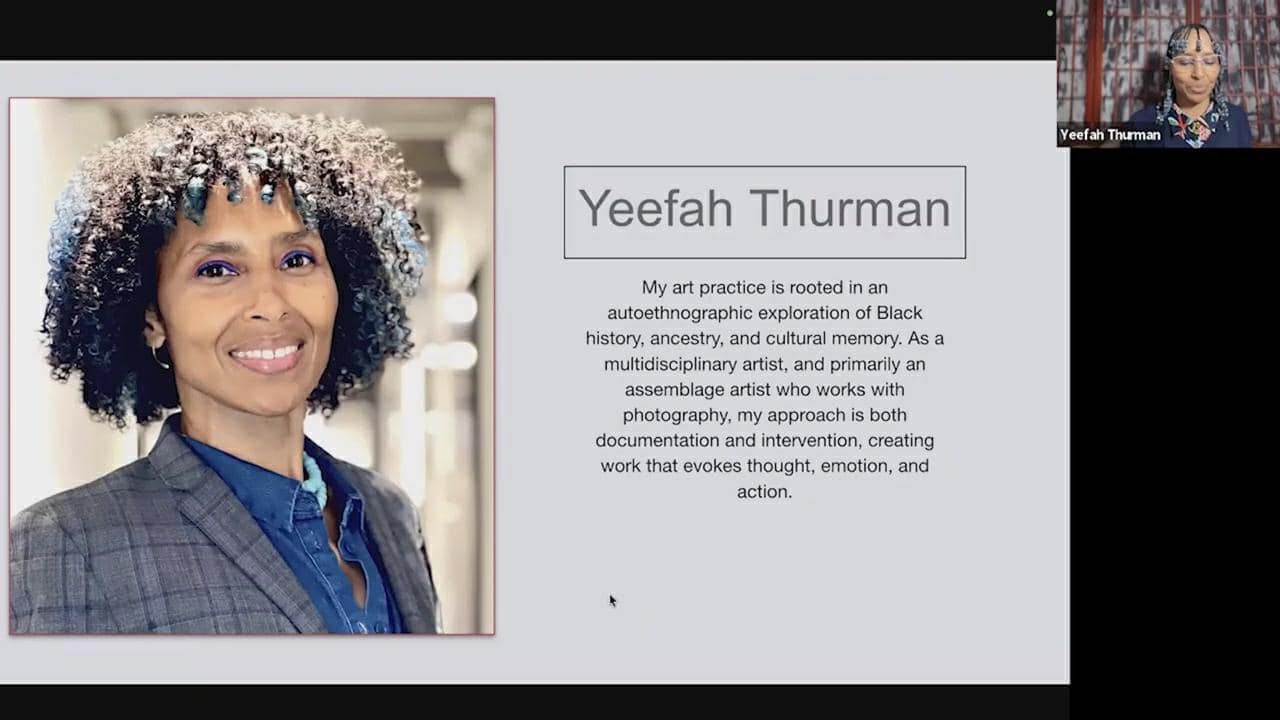
Visual Illustration [00:04:38 – 00:05:03]: Authethnography (source: YouTube.com)
Cuba: Finding Home in Foreign Streets
Yeefah’s photography is about more than aesthetics; it is about storytelling and visual acuity. In 2017, while traveling in Cuba, she sought to experience the rhythm of the people through public transportation. The photograph that comes out of that ride is not “travel photography.”
It is evidence of a relationship built instinctually and sealed over dinner and an awkward joke about streetcorner Viagra. Whether it was hitchhiking with a local named El Riqui or riding the bus in Havana, she saw her own African identity reflected in the way a woman wore her head wrap or in the joy of a local artist’s temple.
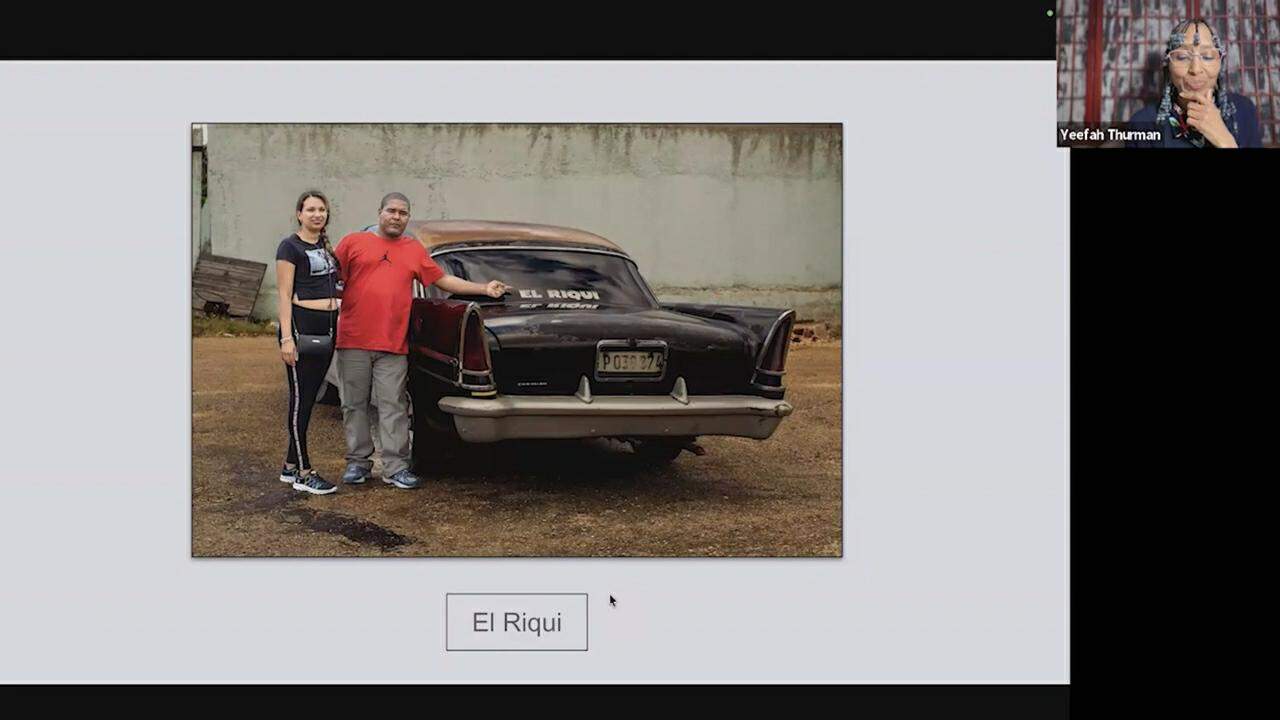
Visual Illustration [00:10:03 – 00:10:32]: “El Riqui” (source: YouTube.com)
The DAP: A Greeting of Pride and Solidarity
Taking the viewer further into her work, Yeefah said she captures the specific cultural markers that say, “I see you. We are in this together.” The “DAP,” a greeting developed by Black soldiers during the Vietnam War, is a powerful symbol of pride and resilience. It is a moment of connection that transcends the labels society attempts to place upon us, she said.
I saw that instinct toward coded safety show up in her study of the DAP, the greeting that grew out of Vietnam and became a Black survival language. In one frame, two Black men meet palm to palm, bodies angled toward each other. You can almost feel the impact. It is more than a greeting; it is a border, a tiny zone of protection where “I see you” is not small talk but a contract of culture.
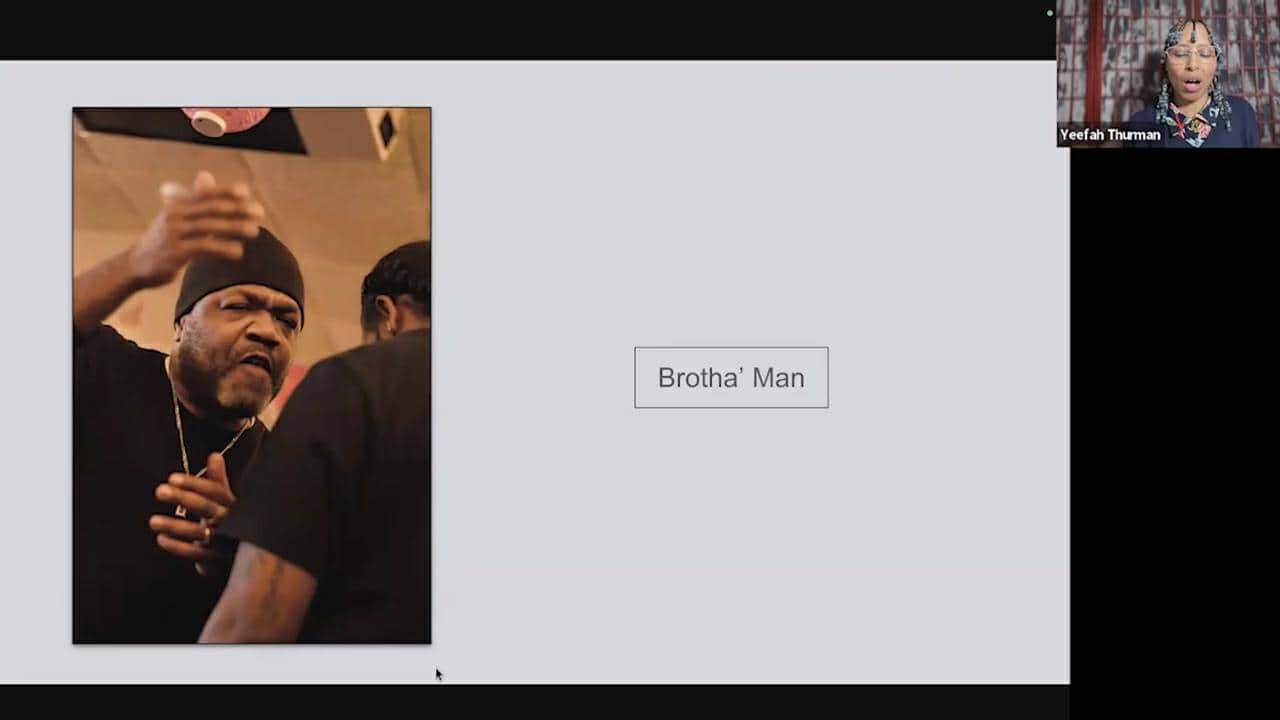
Visual Illustration [00:14:54 – 00:15:26]: DAP (source: YouTube.com)
Uncovering the “Afroxican” Identity
In 2022, a research residency took Yeefah to Mexico to connect with the Afroxican population. In Mata Clara, Mexico, she found the Afroxicans, people whose Blackness was written out of official history but never left their blood. Many in these communities are only recently reclaiming their African roots, having been told for generations they were purely indigenous. Meeting elders like Vicente in the Costa Chica region allowed Yeefah to document a history that is often omitted from textbooks.
The portraits she makes of Vicente’s kitchen, after cake and coffee, are not trophies of discovery. They are what happens when someone arrives with a camera, and a question that matches how Vicente already understands himself.
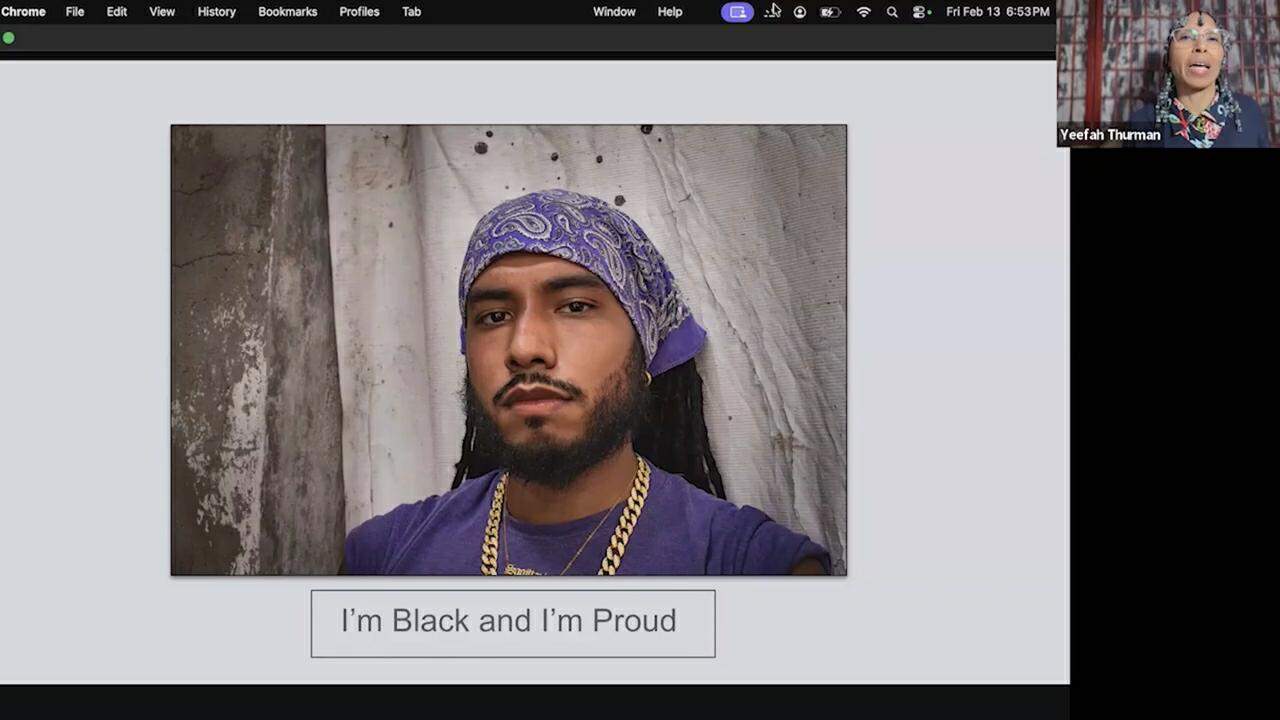
Visual Illustration [00:22:32 – 00:23:00]: Vicente (source: YouTube.com)
Austria: Resilience and “Places of Care”
Yeefah’s investigation did not stay in warm kitchens in the Americas. An investigative fellowship from the Pulitzer Center took her back to Vienna, where she had lived years before and to where her daughter had moved.
Yeefah pointed her lens at the rise of rightwing hostility. She does not just document it. She lives it as a bus door is closed not once, not twice but three times in her face and the faces of her daughter and their transgender friend, Angel.
There is no need to editorialize; the repetition is the critique. This is what it looks like when Black and queer women moving through Europe are treated as a threat before they are treated as people.
In the exhibit, this incident sits next to images and stories from Vienna’s Black queer community, who are building “places of care” because the official ones keep shutting them out. This is where black art criticism matters: not to rate the composition, but to insist that what we are seeing is not an isolated incident. It is a pattern, and patterns have architects.
“My research in Austria,” Yeefah said, “explored a different side of the diaspora: the rise of right-wing politics and its impact on Black queer individuals. Through stories of hostility and systemic trauma, I found a community that is moving away from traditional protest toward ‘places of care,’ internal networks of safety and mutual support.”
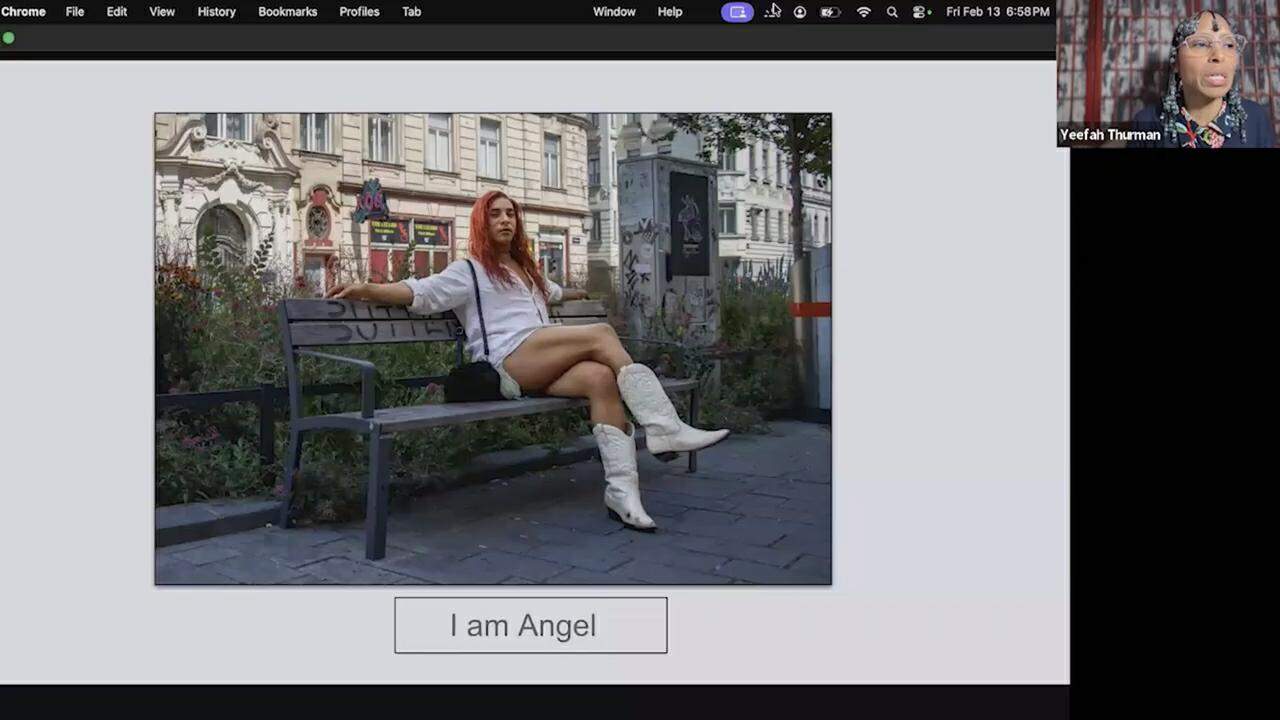
Visual Illustration [00:27:01 – 00:27:56]: Angel (source: YouTube.com)
Freedom is Your Birthright
The talk, and the exhibit, land on freedom. Yeefah’s ancestors worked the land as farmers. Cotton is not an abstract symbol for them; it is labor, lineage, and pain.
In “Freedom,” she builds a sculpture that holds cotton without apology, wrapped in the red, black, and green of liberation. It is not nostalgia. It is reclamation.
“My work always returns to the theme of freedom,” Yeefah said. “Whether through photography or sculptural installation, I want to remind us that freedom is our birthright. My piece ‘Freedom’—an assemblage using cotton to reclaim a legacy of farming and heritage—serves as a mantra for the diaspora: Always remember who you are.”
The video closes on a powerful sculptural piece. It features a mantra written in the Pan- African colors: Red for the blood, Black for the people, and Green for the land. Yeefah explains the grounding nature of the sticks and the soaring spirit of the “Freedom” mantra: Always remember freedom. I am free, Freedom is your birthright, expand.
Links Artist Talk with Yeefah Thurman by Haitian American Museum of Chicago HAMOC: full video at YouTube.com
Links Yeefah Thurman’s website: https://yeefah.com
Exhibition: https://hamoc.libraryhost.com/exhibits/show/blackness-in-the-diaspora—vi/about-the-exhibition
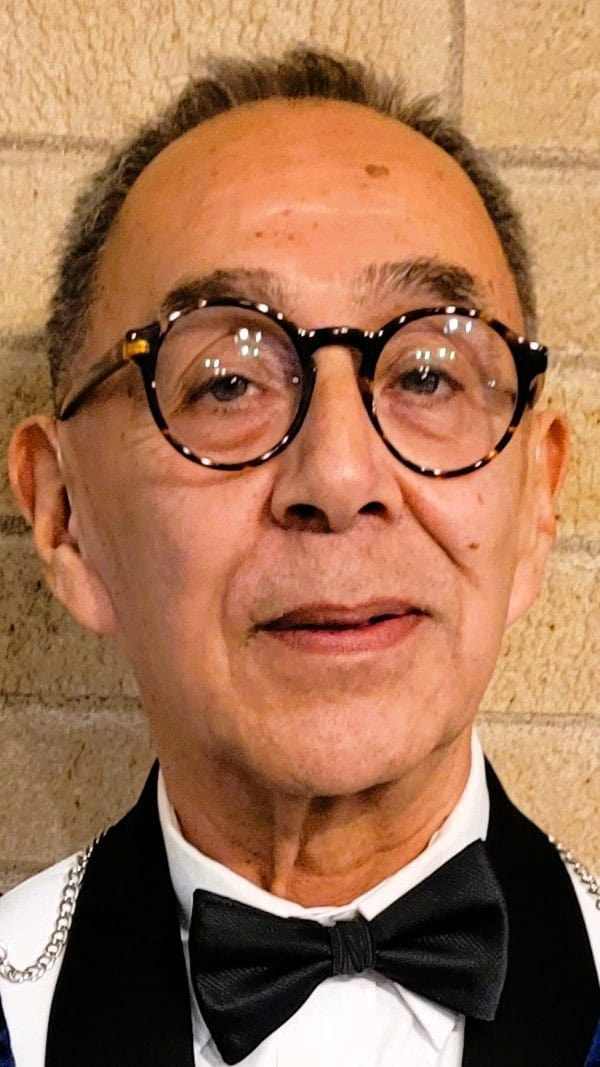
Jim Perez is a journalist and entrepreneur whose career spans investigative reporting, editorial leadership, and creative business ventures. As COO of Grant Life Wellness Solutions and a faculty member in Chicago, he brings a sharp eye for narrative and a deep commitment to authentic storytelling.
On Yeefah’s blog, Jim curates longform features that connect collectors, artists, and cultural workers to the lineage and meaning behind installation art. His writing blends newsroom rigor with entrepreneurial insight, helping readers see how identitycentered art preserves stories and drives cultural memory.