
Honoring Ancestors: Yeefah Thurman Takes Her Seat At The Table
Ancestral storytelling in art. Social justice art installations. This is what reclamation looks like when a young artist stops waiting for a seat and brings her own table.
Some art fills a wall. Some art completes the room. This piece does neither. This is an argument built out of furniture.
A thesis arranged in wood, porcelain, photographs, and memory. A kitchen table turned into a battleground of truth.
In November 2025, inside SAIC Galleries in Chicago, Yeefah Thurman presented Who’s At The Table as part of the senior exhibition. The setup looks familiar at first glance. A retro kitchen table. Carefully placed china. Family photos staring back at you. A chair pulled away from the table, giving the viewer a wider frame to read and feel history.
Then the meaning arrives without knocking. It kicks the door in and sits down.

Visitors didn’t just peek in. They sat, lingered, and asked questions. The space became a dialogue between memory and presence. Thurman’s work honors the everyday Civil Rights workers — mothers, laborers, quiet fighters — whose sacrifices are often erased from the historical record. [Read More]
In the room, in real life The crowd did not behave the way galleries expect crowds to behave. People didn’t just peek in. They joined the space. They sat at the table. They lingered long enough for the room to shift. Long enough to feel the weight of the objects. Long enough for curiosity to turn into reflection.
They asked Yeefah questions. They doubled back for another look. Some stayed rooted, as if the installation gave them permission to stop performing quick comprehension and actually feel something. This installation refuses to be observed. It demands to be experienced. And that is where its power grabs you by the collar.
The interview
Jim Perez with Yeefah Thurman
Jim: Who’s At The Table is your capstone piece. When you first saw it installed in the gallery, what did you feel?
Yeefah: I’m really proud because I completed this installation after five years. I found the table and dragged it home. After conceptualizing the piece, I named it. It then started coming together as I found the other pieces.
Jim: Five years is real commitment. What was the moment like, seeing it in the space?
Yeefah: When I first saw it on the floor of the gallery, I felt proud of myself, seeing five years of work on display with the other amazing pieces done by others in my class.
Jim: You talk about ancestry as if it’s in the room, not a chapter in a textbook. Did you feel them with you?
Yeefah: I felt that my ancestors were saying through the piece that they were honored. I felt that they paved the way for me to do the things I’m doing.
Jim: What did it feel like watching viewers interact with the work?
Yeefah: Seeing people interacting with the piece the way I intended, seeing how they reacted, was powerful. I felt the viewers made the story even more powerful.
Jim: I have to say this. As I walked the exhibition, I did not see many Black artists represented. That is not a random observation. That lack of representation is structural. When you see that in real time, standing beside your work, what hits you?
Yeefah: It’s complicated. I’m proud to be there, and I’m also aware representation is still uneven. It reminds me access isn’t neutral. Space isn’t simply offered. It’s built. It’s fought for. It’s maintained. It makes me more committed to work that centers Black stories, Black women, Black families. If the room isn’t built for us, we build the room, and we bring our people with us.
Jim: What are you trying to do with narrative, installation, the way people physically move through your work?
Yeefah: I’ve been working toward a new way to tell narrative stories and be successful with it.
Jim: What legacy are you honoring here?
Yeefah: The labor, the sacrifices, the pain my ancestors endured in their fights for civil rights. This piece is a way to honor their legacy.
Jim: When people flatten the Civil Rights Movement into a list of famous names, what gets lost?
Yeefah: The unsung heroes. The everyday people who marched and fought while working, paying the bills and raising their families. What they did and how it impacted so many people, including me. The price they paid for me and others.
Jim: You said something earlier that stayed with me. That seeing people interact with the installation felt like an apology.
Yeefah: When I saw people interacting with it, I felt it was a way to apologize for my bratty ways as a young person. I feel that I grew up entitled, not having to fight for inclusion, being able to go to integrated schools.
Jim: Where does this moment place you, as an artist, right now?
Yeefah: I think it’s the beginning. This piece shows I can create large cohesive narrative works that show the depth of what I’m saying. This show is important for me because I’m graduating. I have more time to expand my career as an artist. It signifies my coming of age as an up-and-coming artist. It shows my growth over time, my ability to create a narrative that shows my talent as a multi-disciplinary artist. It shows the depth and the dimension of a multidisciplinary artist.
Let’s be clear about the symbolism. Yeefah is not whispering.
The table
A relic of America’s default myth. The fantasy that belonging was always shared evenly. It never was.
The china
Four generations of Black women preserved it. Great-grandmother. Grandmother. Mother. Yeefah. The care required to pass something fragile through time is its own form of protest. Legacy is labor. Placing that china on that table is the thesis. Coded. Precise. Undeniable. You can keep the old table if you want. We will build our own. And we will remember the hands that built it.
The photos
Not nostalgia. Witnesses.
The audio
Testimony institutions like to sanitize or lose in the archives. Now playing on a loop in a room where silence is not allowed to win.
Why it matters right now
Women are minimized in the historical record. Black women especially. That is not a mistake. That is a pattern. Who’s At The Table snaps that pattern in half. It focuses on the everyday Civil Rights workers. The mothers. The laborers. The quiet fighters who marched before they cooked dinner and after they worked shifts. The people who carried the movement without ever being asked to pose for a photo.
If this makes you think, good. That is your conscious turning towards the truth
Yeefah’s larger practice
Her work is rooted in identity, culture, belonging, and the stories dominant culture refuses to hold truthfully. She moves across mediums like someone who knows she is building more than art. She is building evidence.
In 2025, she was named a Pulitzer Center Reporting Fellow, returning to Vienna to examine how Black queer people navigate shifting political landscapes in Europe. The table is local. The questions travel.
Collect Yeefah
If this work moved you, do not stop at admiration. Support the artist. To inquire about collecting Yeefah Thurman’s work: Click Here
Links Yeefah Thurman’s website: https://yeefah.com
Links SAIC news: https://www.saic.edu/news/student-yeefah-thurman-named-2025-pulitzer-reporting-fellow
Links Pulitzer Center announcement: https://pulitzercenter.org/blog/announcing-2025-pulitzer-center-reporting-fellows
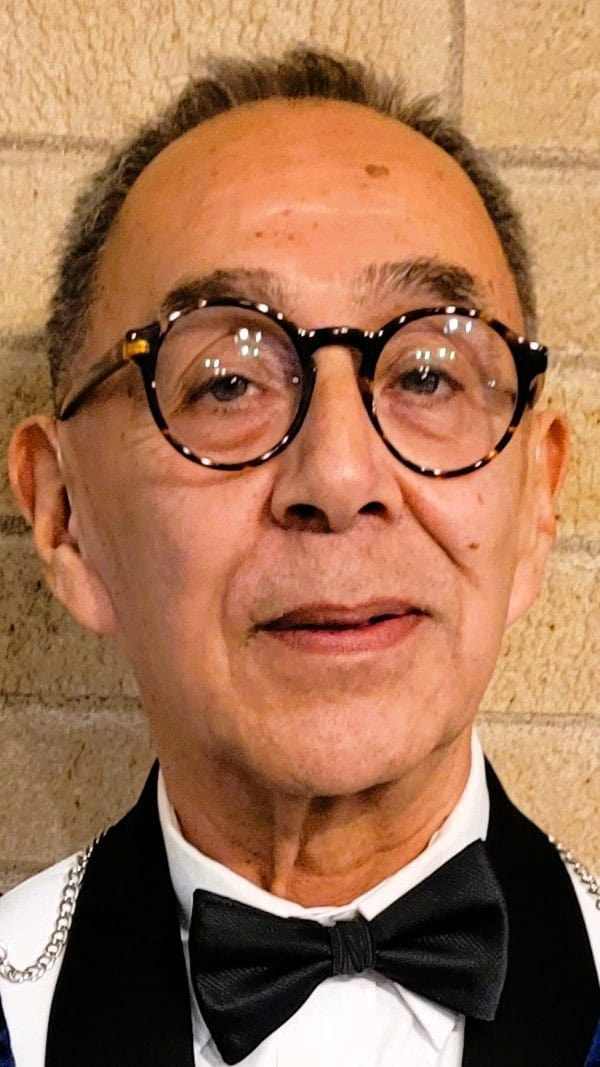
Jim Perez is a journalist and entrepreneur whose career spans investigative reporting, editorial leadership, and creative business ventures. As COO of Grant Life Wellness Solutions and a faculty member in Chicago, he brings a sharp eye for narrative and a deep commitment to authentic storytelling.
On Yeefah’s blog, Jim curates longform features that connect collectors, artists, and cultural workers to the lineage and meaning behind installation art. His writing blends newsroom rigor with entrepreneurial insight, helping readers see how identitycentered art preserves stories and drives cultural memory.